Build on This
An early-career network
An early-career network with its own identity on every project and employer introduction.
Put evidence before the introduction
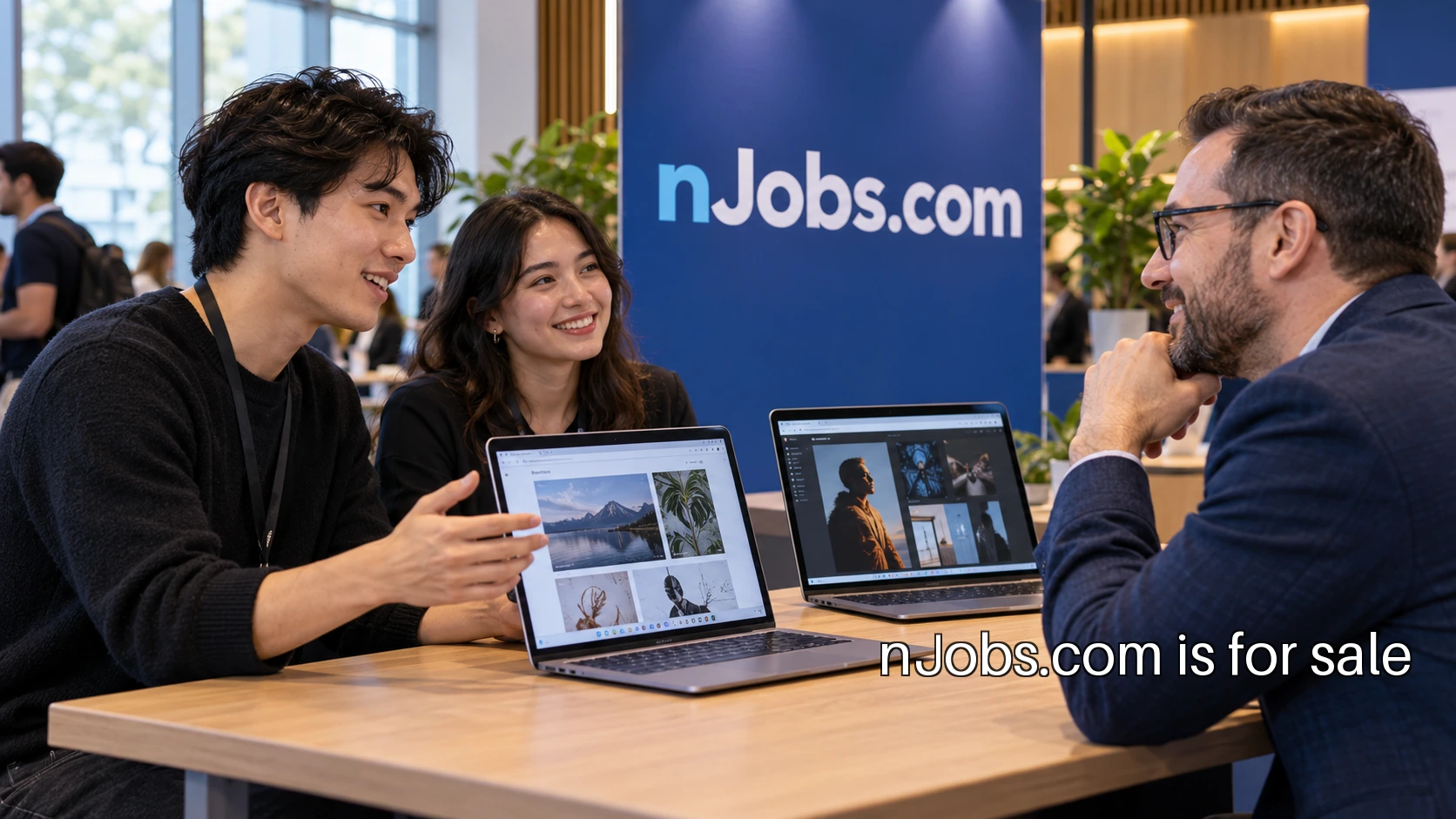
An early-career network on nJobs.com could help people present useful work before they approach an employer. The first offer would be a structured project profile and a small set of relevant employer introductions. The customer relationship would involve both emerging candidates and employers willing to explain what entry-level work actually requires.
Consider an illustrative cohort of adults entering their first operations role. They may have course exercises, volunteer experience or a small project, but little practice turning that material into a useful professional introduction. The network could help them describe the task, their contribution and what they learned, then connect that evidence to a specific kind of opening.
Define a project profile that can be reviewed
Start with a consistent format. Ask the member to describe the problem, the constraints, the work completed and the result they can show. Include a place to explain which parts were individual contributions and which involved a group or automated tools. A reviewer should be able to understand the member's role without guessing from a polished final image.
The product could offer a short example profile using fictional work. Show a simple process improvement, such as organizing a support queue or documenting a recurring operational task. The value is in explaining decisions and showing evidence. Avoid turning every profile into a competition for the most elaborate presentation or the most expensive training background.
Give the community a recurring activity
A network needs something useful to do between applications. A monthly review session could pair a small number of members with a facilitator and one employer guest. Members bring a specific piece of work and receive questions they can answer in the next revision. The session should produce an improved profile or a clearer next project.
The founder would need a moderation standard and a predictable schedule. Feedback should address the work and the explanation, with boundaries against personal attacks or requests for unpaid business production. A small community can make those expectations visible and follow up when a session does not meet them. That operating care becomes part of the experience under the brand.
Help employers make a precise request
Employers participating in the first version could describe a real entry-level task and the evidence that would help them evaluate a candidate. The network can then organize relevant profiles around that task. A request such as showing how someone checks a dataset is more useful than an undefined desire for a motivated generalist.
Introductions should be opt-in on both sides. A member can choose which profile to share and which employer conversation to pursue. An employer can state the opening and its application process clearly. The founder needs a documented way to handle corrections, withdrawn opportunities and complaints, so members know where to take a problem.
Find the first cohort through existing relationships
A practical distribution path could begin with an adult learning community or a professional association serving people at the start of their careers. Invite a small group to complete a project profile and participate in one review cycle. The invitation should explain the time required, the expected output and the role of participating employers.
The founder can then observe where people need help. Perhaps members struggle to distinguish their contribution from the team's work. Perhaps employers need a simpler way to scan evidence. Perhaps the project prompts are too broad. Those findings guide the next cohort and give the product a grounded reason to add features.
Keep the first outcome within reach
An improved profile and a relevant conversation are concrete first outcomes for the service to organize. Hiring decisions remain with the employer. The network's operating plan should focus on the quality of its review process, the clarity of opportunities and the handling of introductions. That gives the founder a service they can explain with examples from the actual product.
nJobs.com can carry this early-career identity across profiles, events and employer materials. The name keeps jobs in view while leaving room for the community's own voice and rituals. A founder can start with one cohort and develop a recognizable network around the work members are learning to show. To explore the domain for this direction, send PremiumBrands a description of the first community and employer relationship you want to build.
Close the first cohort with a revision
Give each member a chance to revise the project profile after the employer conversation. Ask which question was hardest to answer and which piece of evidence helped explain the work. The founder can compare those responses with the facilitator's notes and choose a better prompt for the next cohort. A completed revision makes the learning visible and gives the community a useful activity to carry forward.